India has always been quick to adopt changes in the financial world. From UPI payments to Aadhaar-based banking, our country is leading the digital revolution. One of the most exciting developments in recent times is the launch of the RBI’s Digital Rupee, also known as the Central Bank Digital Currency (CBDC). But what exactly is it? Why was it launched? How will it affect the common man and the future of India’s economy?
What is the RBI Digital Rupee?
The Digital Rupee represents India’s adoption of a Central Bank Digital Currency (CBDC). It serves as a digital form of legal tender, equivalent to physical currency, but entirely electronic in nature. The Reserve Bank of India (RBI) issues and regulates it.
Unlike cryptocurrencies such as Bitcoin or Ethereum, the Digital Rupee operates within a centralized and stable framework backed by the government. it maintains the same monetary value as a traditional paper note or coin, but it exists in an electronic format.
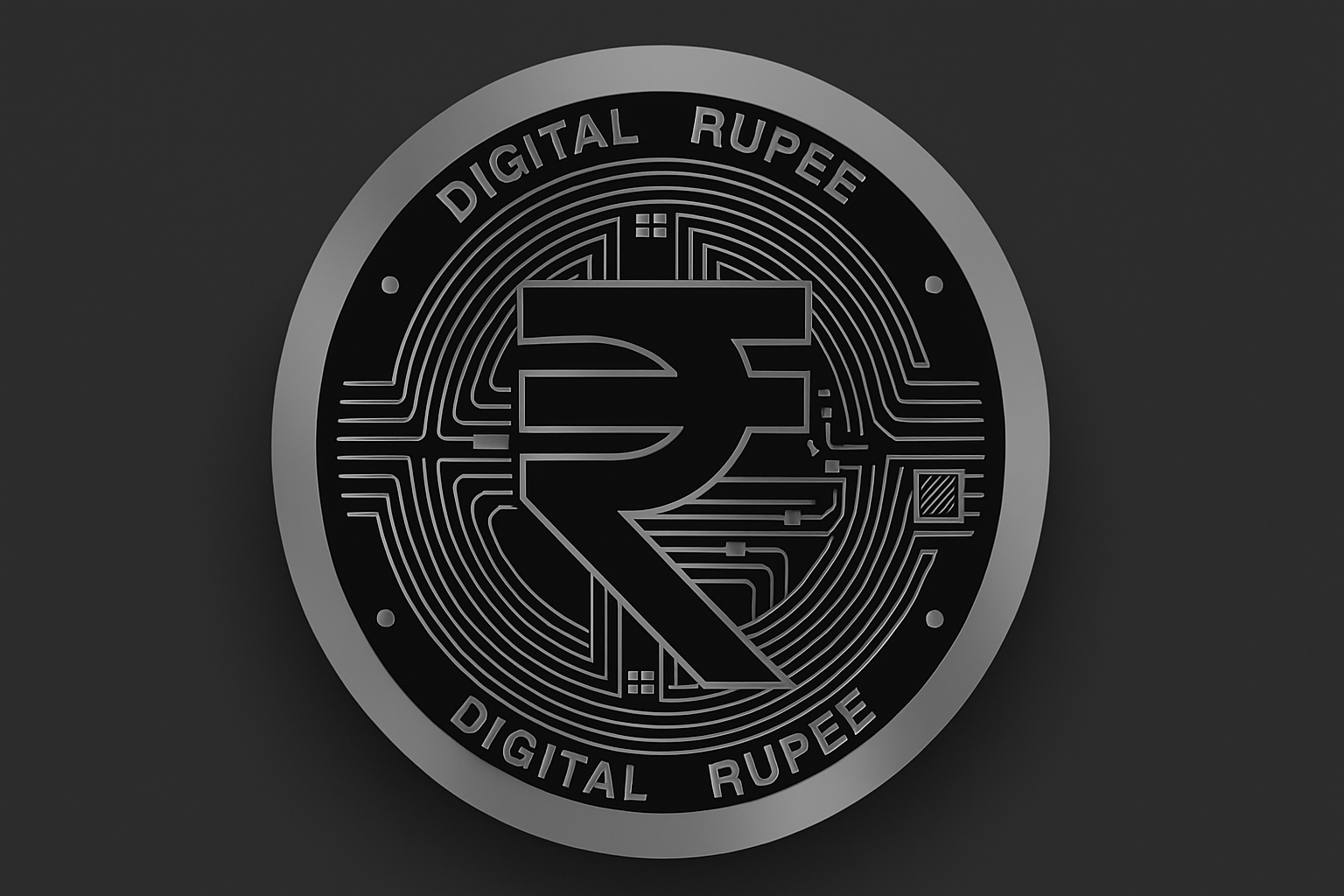
There are two primary varieties of RBI Digital Rupee:
- Retail CBDC (e₹-R) – intended for everyday use by citizens like ourselves.
- Wholesale CBDC (e₹-W) – designed for banks and financial institutions to facilitate large-volume transactions.
Why Was the RBI Digital Rupee Launched?
The Digital Rupee was launched by the Reserve Bank of India(RBI) to modernize the Indian payment system and reduce the dependence on physical cash. With the growing popularity of digital payments and cryptocurrencies, the RBI felt the need to introduce a secure, government-backed digital currency.
The goal was to create a reliable and efficient payment alternative that could work seamlessly alongside existing methods like UPI, NEFT, and card payments. The Digital Rupee helps in lowering the cost of printing and handling paper currency while offering real-time settlement and better tracking of transactions. It also provides financial inclusion opportunities for people who may not have easy access to traditional banking services. Most importantly, it gives India a strong foundation in the evolving world of digital finance, where many countries are developing their own central bank digital currencies (CBDCs).
Use of RBI Digital Rupee
- Retail Transactions
Shops and vendors in select cities are accepting payments via Digital Rupee. It’s faster, doesn’t need the internet all the time, and feels like using cash digitally. - Government Subsidies and Welfare
The government can transfer benefits directly into people’s digital wallets. This reduces corruption, delays, and leakages in the system. - Cross-border Payments (Future Use)
Sending money abroad is slow and expensive. The Digital Rupee has the potential to speed up international transactions, lower their cost, and enhance transparency. - Wholesale Banking Transactions
Banks can use e₹-W for interbank settlements, bond purchases, and securities trading. This reduces the time and cost involved in large financial transactions. - Offline Transactions
In remote areas with poor internet connectivity, Digital Rupee can enable offline payments. This makes it useful for villages and small towns where internet access is limited.
Key Issues to Be Aware Of RBI DIgital Rupee
- Lack of Public Awareness
One of the biggest hurdles is the lack of awareness among the general public. Many people are still unaware of what the Digital Rupee is, how it works, or how it is different from other digital payment options like UPI or mobile wallets. Without proper education and outreach, people may hesitate to trust or use it. To ensure success, the government and RBI need to conduct widespread awareness and training campaigns, especially in rural and semi-urban areas. - Cybersecurity Risks
Since the Digital Rupee operates entirely in digital form, it is exposed to the risks of cyber threats. If the system is compromised, it may lead to cyberattacks, stolen data, and monetary fraud.These risks can damage public confidence and lead to reluctance in adopting the new currency. Therefore, strong cybersecurity infrastructure, real-time threat monitoring, and quick response systems will be critical to ensure safety and trust in the system. - Concerns Around Privacy
Another key challenge is privacy. Because the Digital Rupee is issued and regulated by the central bank, some users fear that their transactions might be monitored, leading to a loss of financial privacy. While transparency can help reduce illegal transactions, it’s important to strike a balance between monitoring and personal privacy. A well-defined legal and technological framework is needed to address this concern and assure users that their data is secure. - Slow and Limited Adoption
As of now, the Digital Rupee is still in its pilot phase, with limited rollout in a few cities and partner banks. Widespread adoption will require significant investment in technology, training, and infrastructure. People are already used to other digital modes of payment, so encouraging them to shift to the Digital Rupee may take time and effort. It is crucial to build trust and offer clear benefits to users and businesses to speed up adoption across the country.
Future Potential of the Digital Rupee
The Digital Rupee has the potential to change how we use money in India. As more people use smartphones and digital services, this currency can make payments faster, safer, and easier whether it’s shopping, sending money, or paying bills.
It can also help the government reduce black money and track illegal transactions, as every payment is recorded digitally. In the long run, it can save costs on printing physical currency and help bring digital banking to rural areas where banks are few but mobile phones are common.
If used properly, the Digital Rupee can also make welfare schemes more effective by directly transferring money to citizens without any middlemen. As other countries move toward digital currencies, India can become a global leader in digital finance.
Disclaimer: The investment tips and opinions given here are the personal opinions of experts. These are not the opinions of Riskydollar or its team. Riskydollar advises all readers to consult a certified financial advisor before making any investment.