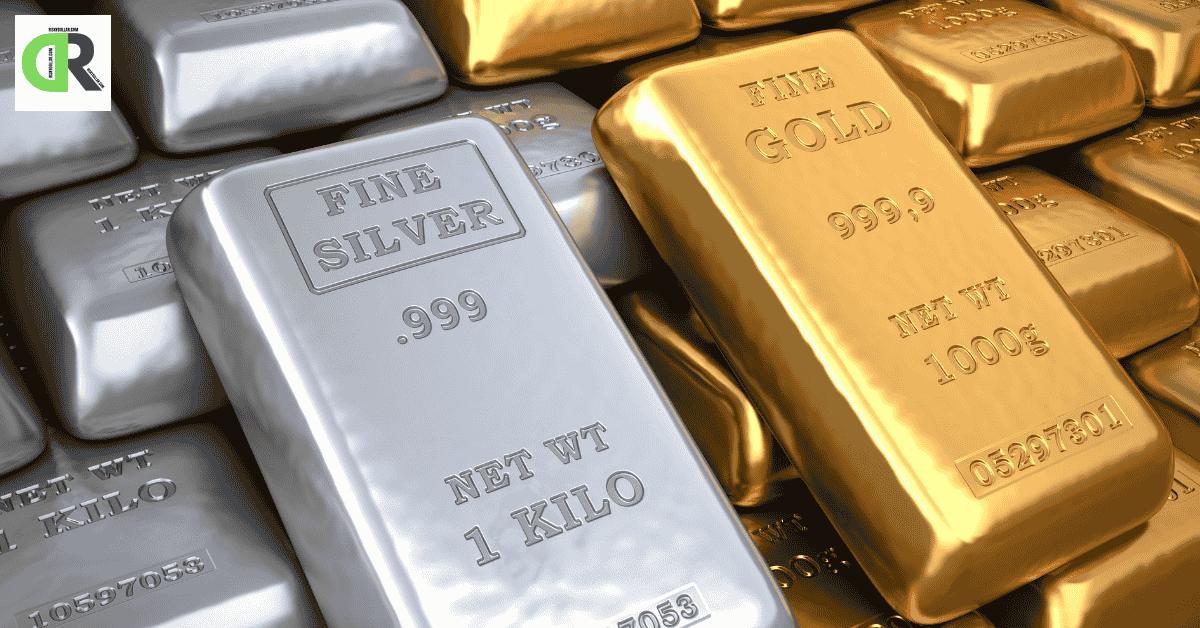
As we move deeper into 2025, investors around the world are rethinking their portfolios. With stock market volatility, global inflation concerns, and shifting monetary policies, the focus has returned to precious metals especially gold and silver.
Both metals have stood the test of time as stores of value, safe haven assets, and inflation hedges. But the big question remains, which is the better investment in 2025: gold or silver?
Let’s dive deep into their differences, performance, current market trends, and future outlook to help you make an informed decision.
Understanding Gold and Silver as Investments
Gold – The Timeless Store of Value
Gold has been a symbol of wealth and security for centuries. It is considered one of the safest investment options during times of uncertainty. Investors use gold to hedge against inflation, currency depreciation, and market volatility.
Gold is less affected by industrial demand and is primarily driven by factors like:
- Central bank reserves
- Inflation expectations
- Global economic uncertainty
- Jewelry and investment demand
Silver – The Industrial Metal with Dual Demand
Silver, on the other hand, has a dual nature — it’s both a precious and an industrial metal. Apart from being used for jewelry and coins, it plays a major role in electronics, solar panels, electric vehicles, and medical equipment.
This gives silver a unique position — its price is not just influenced by investor sentiment but also by industrial demand, which can make it more volatile but also offer higher growth potential.
Price Trends and Performance in 2025
In 2025, both gold and silver have seen steady investor interest, but their performance differs.
Gold’s Performance
Gold prices have remained strong through 2024 and into 2025. With inflation still above target levels and global tensions continuing, investors have turned to gold as a safe haven.
- The price of gold (as of mid-2025) hovers around ₹70,000 per 10 grams in India and around $2,350 per ounce internationally.
- The metal has provided steady returns of 10–12% annually in the last few years.
Silver’s Performance
Silver has been more volatile but has shown strong upside potential due to industrial demand.
- In 2025, silver is trading around ₹90,000 per kilogram in India and approximately $30 per ounce globally.
- It gained nearly 20% year-on-year, driven by demand from the renewable energy and EV sectors.
In simple terms — gold offers stability, while silver offers higher risk and reward.
Factors Influencing Gold and Silver Prices in 2025
Several key factors affect the prices of both metals in 2025:
A. Global Inflation and Interest Rates
High inflation continues to be a global concern, especially with slow economic recovery in many regions. When inflation rises, investors often flock to gold as a hedge.
Silver, too, benefits indirectly, but its industrial use links it more closely to economic growth than inflation.
B. Industrial Demand
Silver demand is expected to increase sharply in 2025 due to its use in solar panels, batteries, and electric vehicles.
According to the Silver Institute, global silver demand could reach a record high, driven by the green energy revolution.
C. Central Bank Purchases
Central banks across the world continue to buy gold to diversify reserves and reduce dependence on the US dollar. This consistent buying supports gold’s price stability.
D. Geopolitical Uncertainty
Ongoing global tensions, energy crises, and trade imbalances have all made investors seek safe-haven assets — and gold remains the first choice.
Also Read : Tata Silver Exchange Traded Fund
Gold vs. Silver: Key Differences
| Parameter | Gold | Silver |
|---|---|---|
| Nature | Precious metal, safe haven | Precious + industrial metal |
| Volatility | Low | High |
| Liquidity | Very high | High |
| Demand Drivers | Central banks, investors, jewelry | Industry, renewable energy, investors |
| Storage Cost | Higher | Lower |
| Price per gram (2025) | ₹7,000+ | ₹90–100 |
| Return Potential | Moderate, stable | High, but risky |
Pros and Cons of Investing in Gold
Pros
- Safe Haven Asset: Gold retains value during economic or political instability.
- Inflation Hedge: Protects purchasing power during high inflation periods.
- High Liquidity: Easily bought and sold globally.
- Portfolio Diversification: Balances risk when combined with equities or bonds.
Cons
- No Regular Income: Gold doesn’t provide dividends or interest.
- Storage & Security Costs: Physical gold requires safe storage.
- Price Fluctuations: Short-term price movements can still occur.
Pros and Cons of Investing in Silver
Pros
- High Growth Potential: Strong industrial demand boosts returns.
- Lower Entry Cost: Silver is cheaper per gram than gold, ideal for small investors.
- Diversified Demand: Used across industries and jewelry, reducing dependence on a single market.
Cons
- Higher Volatility: Prices can swing widely with market cycles.
- Storage Space: Requires more space compared to gold for the same value.
- Economic Dependence: Industrial slowdowns can reduce silver demand.
How to Invest in Gold and Silver in 2025
There are several modern and traditional ways to invest in gold and silver in 2025:
Physical Investment
- Jewelry and Coins: Popular but comes with making and storage charges.
- Bars and Bullion: Best for serious investors who want physical assets.
Digital and Paper Gold
- Sovereign Gold Bonds (SGBs): Issued by the Indian government with fixed interest (2.5% per year) and capital appreciation benefits.
- Gold ETFs and Silver ETFs: Allow you to invest in precious metals without worrying about storage.
Mutual Funds and ETFs
- Gold Mutual Funds: Invest indirectly in gold ETFs.
- Silver ETFs and Funds: Launched recently in India, ideal for exposure to silver prices.
Futures and Commodities
- Advanced investors can trade gold and silver futures through exchanges like MCX for short-term gains.
Gold vs. Silver in Portfolio Allocation
When building a diversified investment portfolio in 2025, both gold and silver can play important roles.
Financial experts recommend allocating 10–15% of total investment to precious metals.
- Conservative investors should lean toward gold (70%) and silver (30%) for stability.
- Aggressive investors may go for a 50–50 mix to benefit from silver’s industrial boom.
This balanced approach helps hedge inflation while participating in industrial growth trends.
Future Outlook: What to Expect Beyond 2025
Gold Outlook
Analysts predict gold prices could remain strong through 2025 and beyond, supported by global central bank demand and inflationary pressures. However, if interest rates fall significantly, gold could experience a correction.
Silver Outlook
Silver’s long-term story looks even more exciting. With global clean energy and electric vehicle expansion, silver demand may surge. Experts forecast silver could outperform gold over the next five years due to industrial growth.
Conclusion
Choosing between gold and silver in 2025 ultimately depends on your individual investment goals and risk appetite. Gold is the better option for those who prioritize stability, security, and long-term wealth preservation. It continues to be a trusted store of value during economic uncertainty and offers consistent performance over time. On the other hand, silver appeals to investors who seek higher growth potential and are comfortable with short-term price fluctuations. With its increasing industrial demand in sectors like renewable energy, electric vehicles, and electronics, silver offers exciting opportunities for long-term growth. In simple terms, gold provides safety, while silver provides growth — and for a well-balanced portfolio, a combination of both can help investors achieve the perfect mix of security and performance in 2025 and beyond.
Disclaimer: The investment tips and opinions given here are the personal opinions of experts. These are not the opinions of Riskydollar or its team. Riskydollar advises all readers to consult a certified financial advisor before making any investment.